
Tip your Cap: Men’s Hat Styles
Hats can be worn as part of a uniform, to protect your head, or to express a unique style. Men’s hats can be divided into a few key types. Most of these styles have also been worn by women. And sometimes women wore them first! Hat-wearing declined after the 1960s as fashion trends evolved but traces of the styles from previous decades can still be seen in modern hats today.
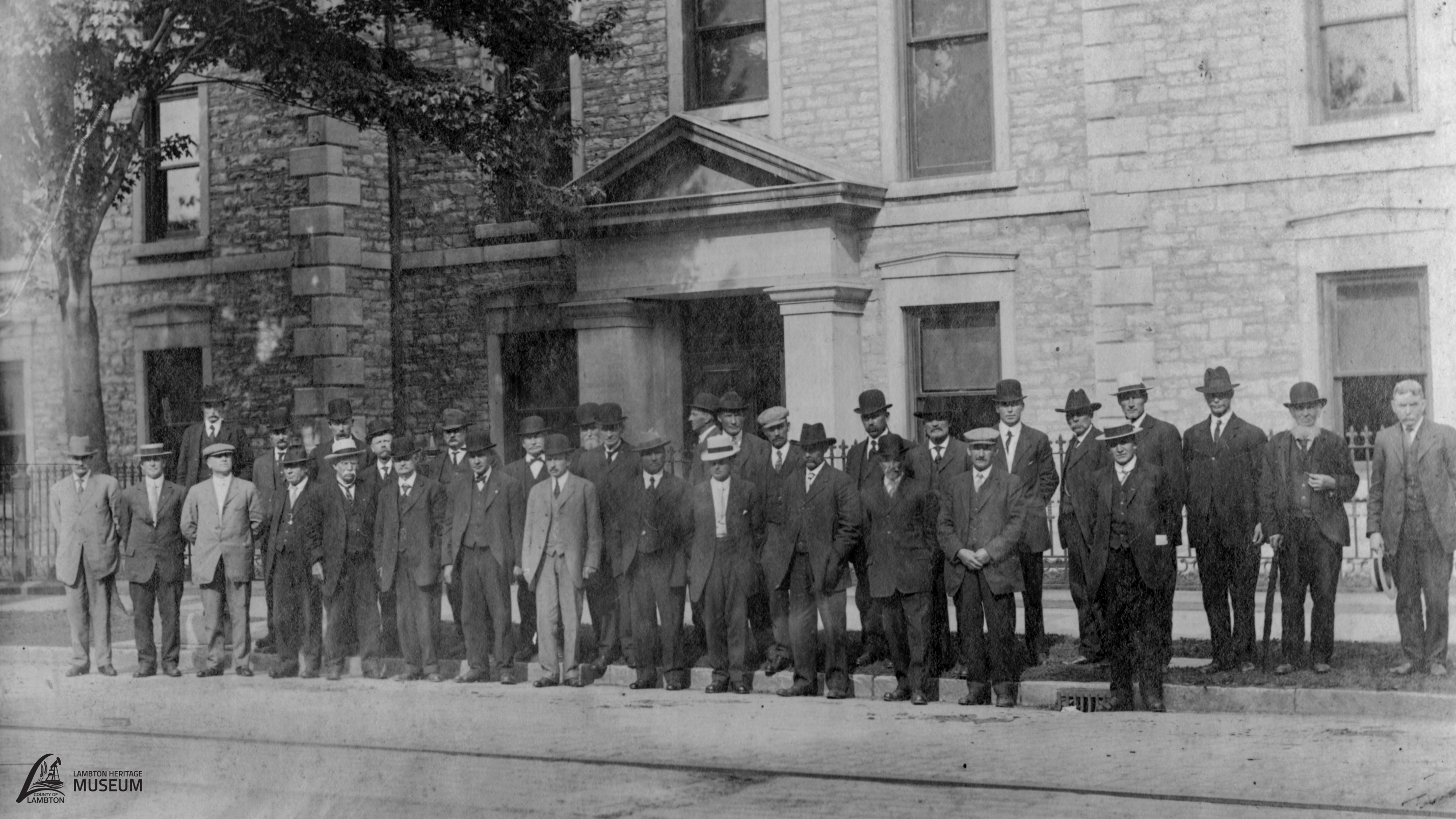
Top Hats
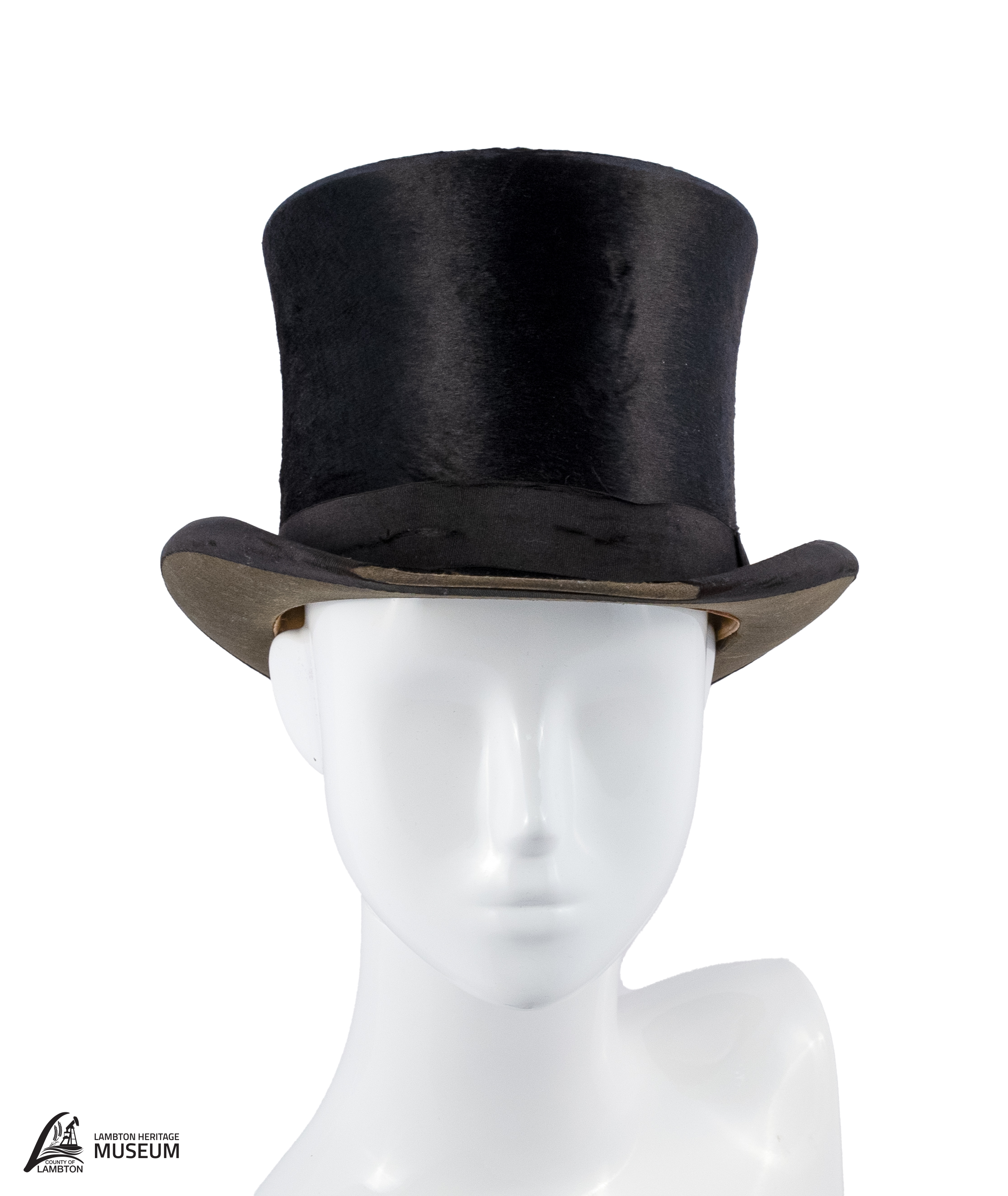
Tops among men’s hats, top hats symbolize power, wealth, authority, and panache. Top hats are hard felt hats. They have a tall cylinder with a flat crown on a curved brim. The standard height is 12-15cm. The first top hat was made in England by George Dunnage in 1793. Early top hats were made of expensive beaver fur felt. Later top hats were made of silk plush. When brushed in one direction, the short nap of the silk was exceptionally shiny and soft. Wool felt was used to make lower cost top hats. Abraham Lincoln is often shown wearing a tall “stovepipe” top hat. The extra height provided a handy place to stash things like speech notes (politicians) or rabbits (magicians). Collapsible top hats could be snapped into a flat pancake shape. This was convenient for storage, travel, or stowing under your seat at the opera. The 1850s was the golden age of top hats. By the 1890s, practical and casual hat styles were growing in popularity. Today, top hats are worn for only the ritziest occasions.
Bowler Hats
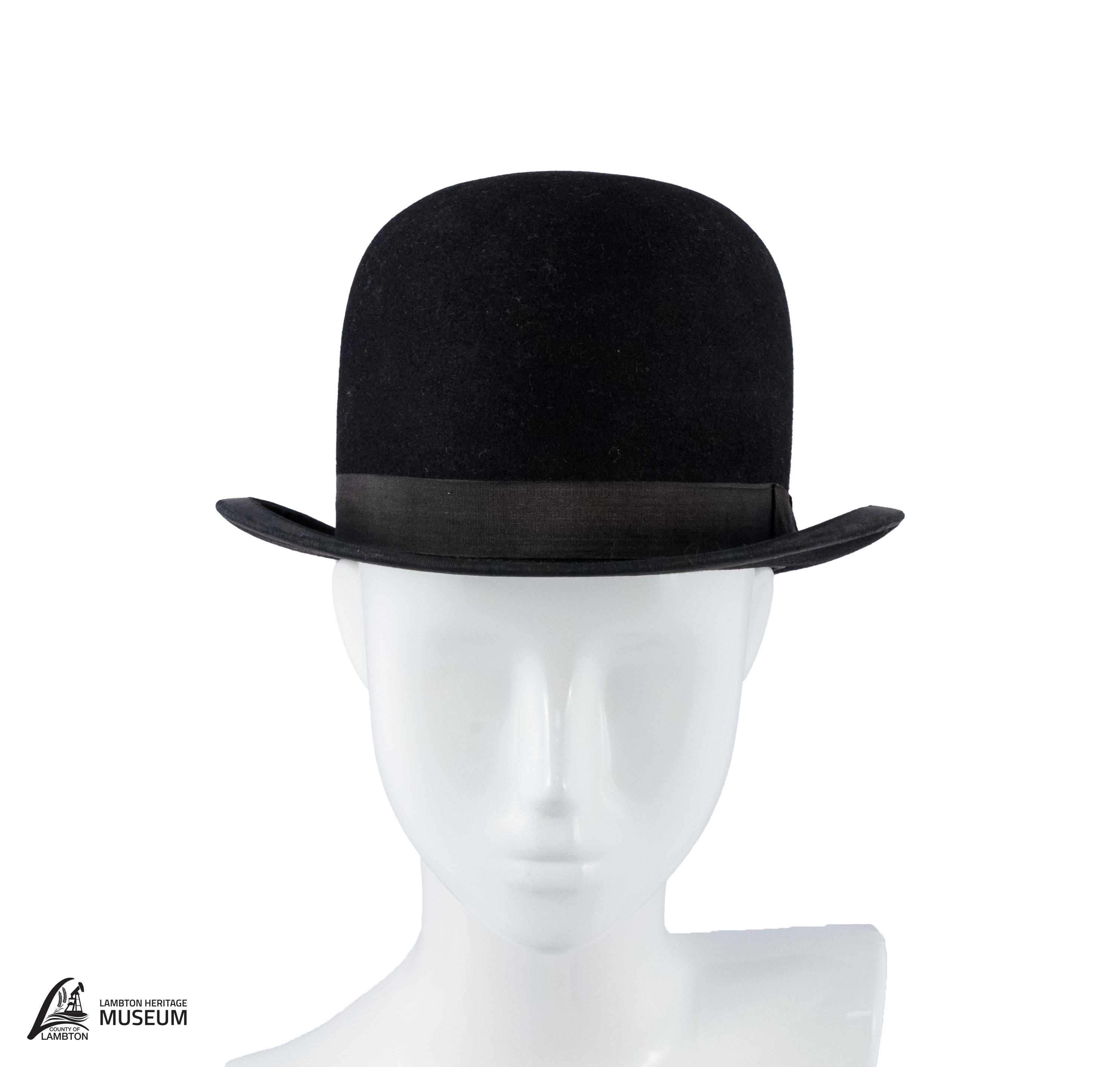
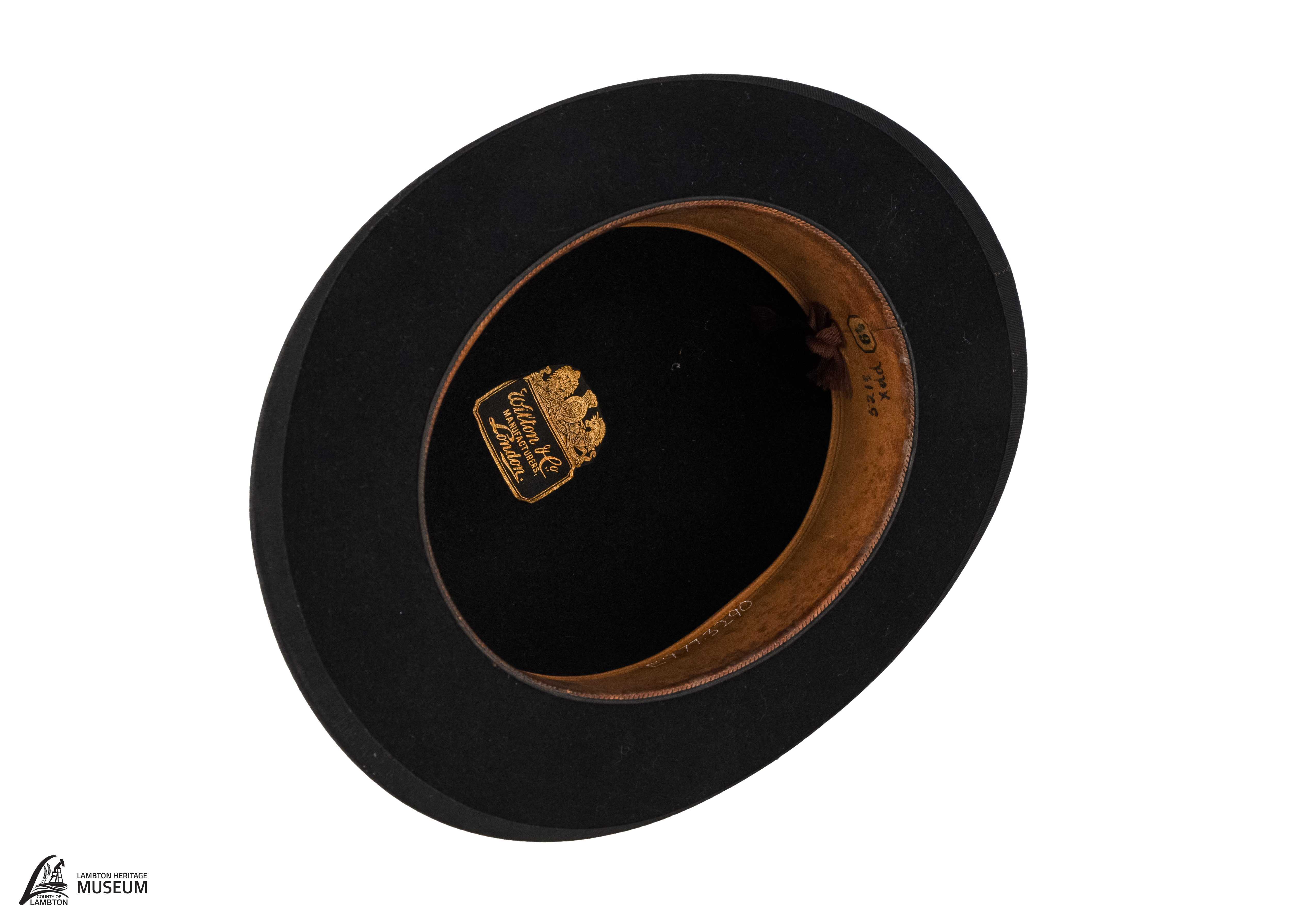
The first bowler hats were made in 1849 by Thomas and William Bowler at the request of the 2nd Earl of Leicester. The gamekeepers on the earl’s estate wore top hats but they fell off the workers’ heads easily and were damaged. The new bowler hats were made of stiff wool or fur felt like top hats. But the round crown with narrow rolled up brim was close-fitting and protective. Bowler hats were the original hard hats.
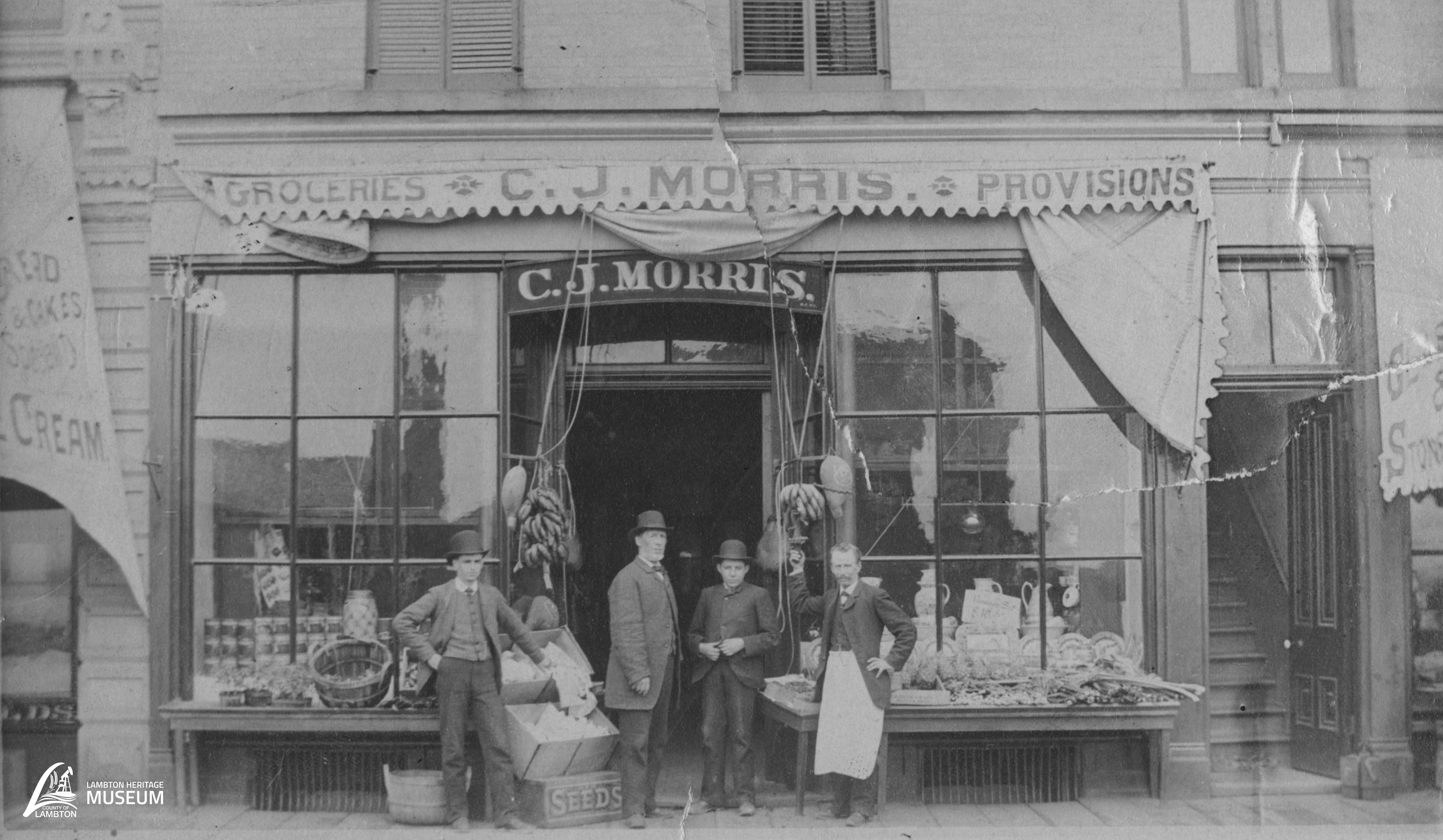
Despite working-class roots, by the early 1900s, bowler hats were popular business attire. A typical British civil servant or banker might wear a bowler hat and suit and carry an umbrella and briefcase. Links to popular culture include Charlie Chaplin’s Little Tramp character in the 1910s, artist René Magritte, and Patrick Macnee’s character John Steed in British TV’s 1960s Avengers.
The Homburg is a similar hat that has a centre crease instead of a round crown. King Edward VII (then Prince of Wales) popularized the Homburg in 1882. Winston Churchill was also a fan. Homburgs peaked in the 1920s and were considered more formal and urban than bowler hats. Bowler hats (also called derby hats) declined in popularity after the First World War.
Boater Hats
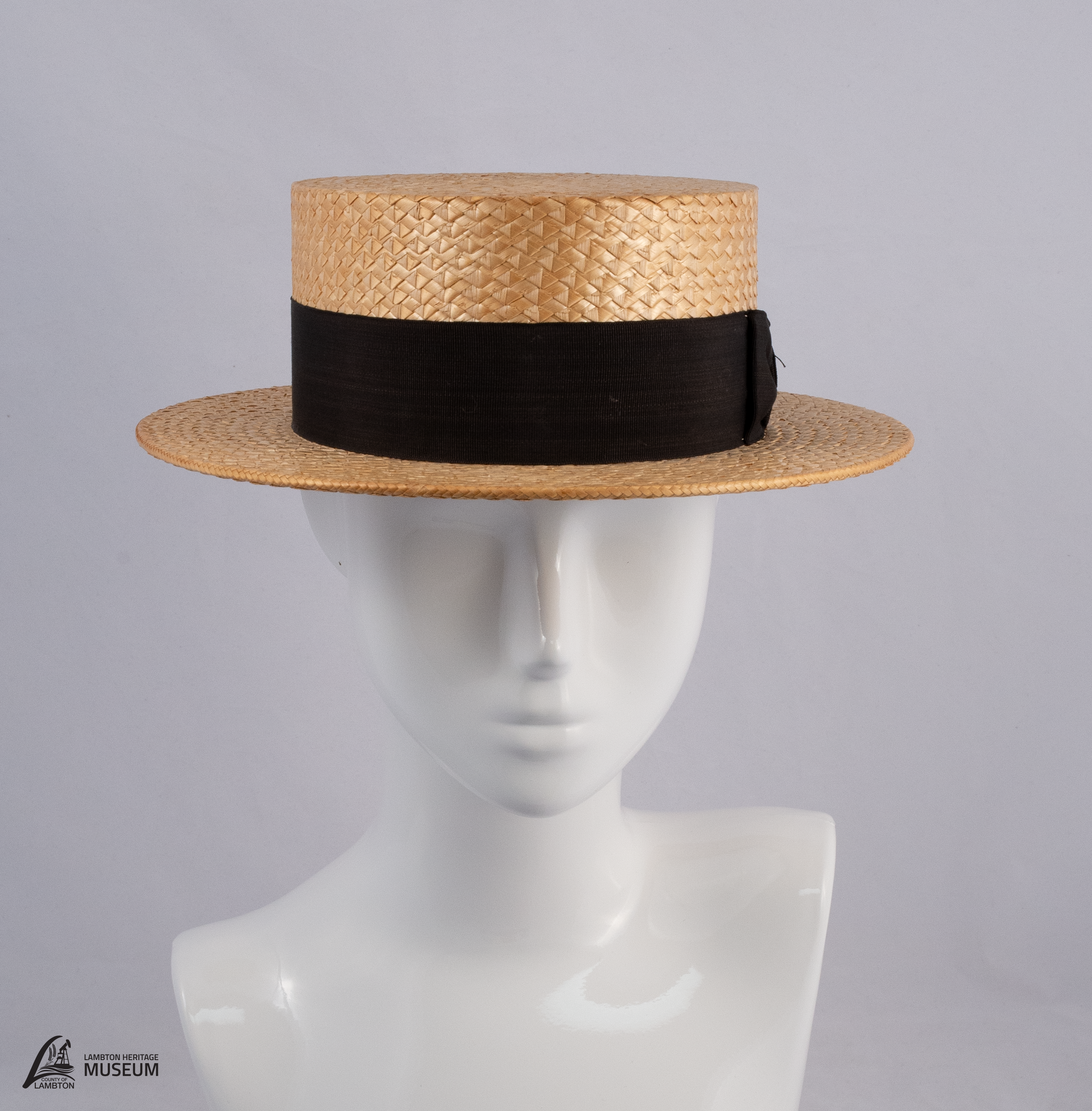
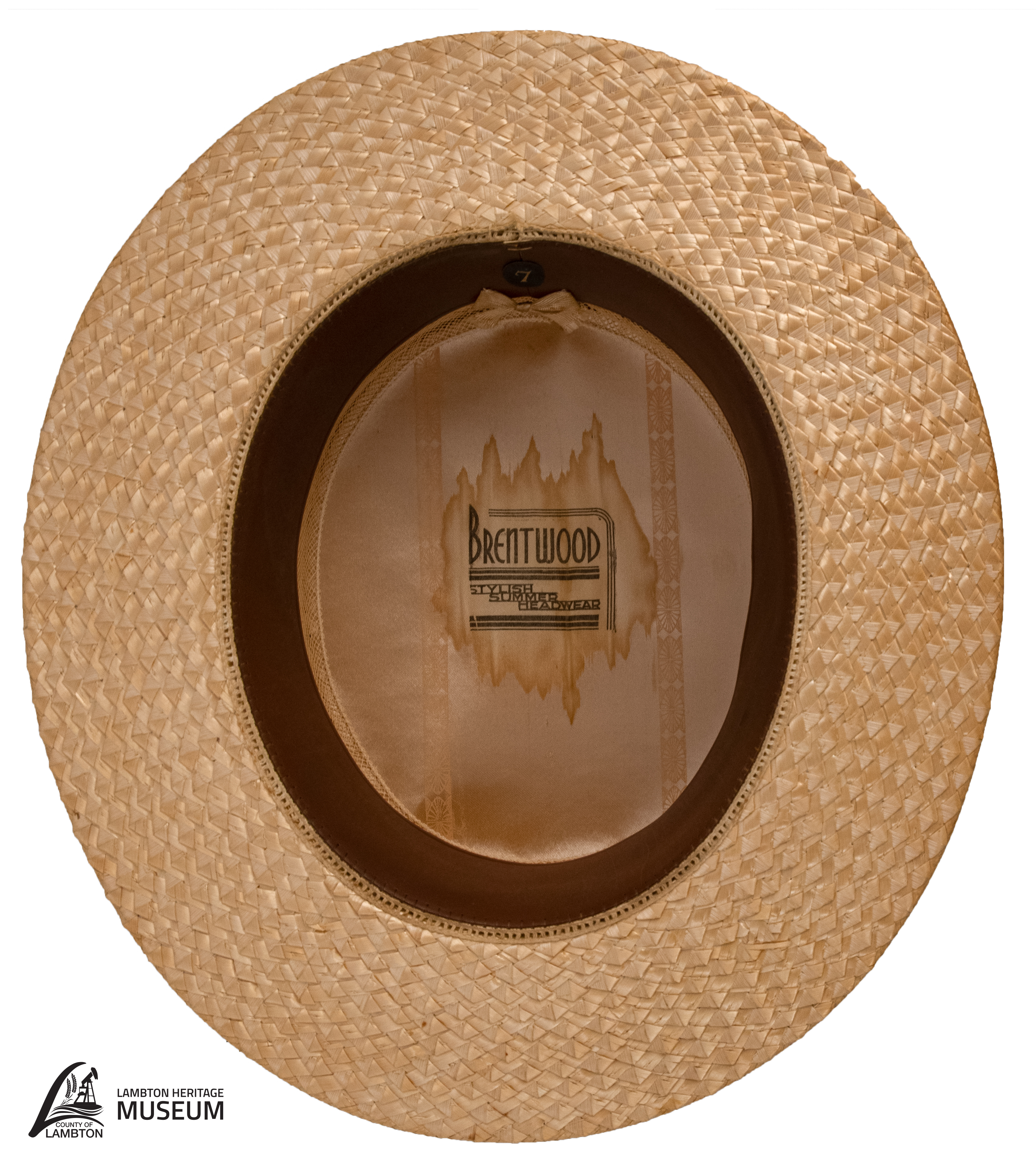
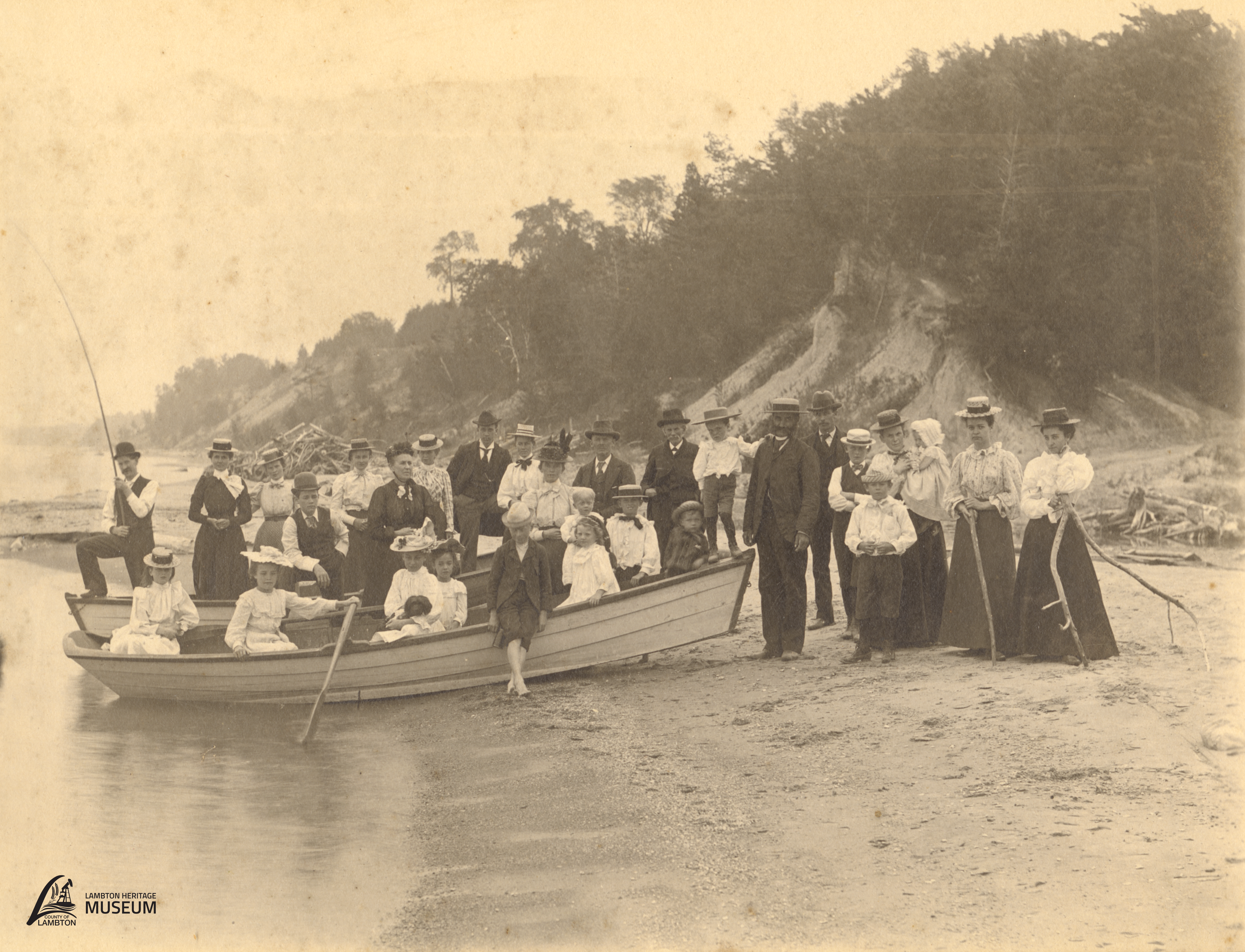
Boater hats are part of the long tradition of making headpieces from braided straw. The hard, flat-topped crown is elliptical in shape, perched on a flat brim, and ringed by a ribbon band. The style comes from boatman’s hats like those worn by gondoliers on the canals of Venice. This tie to boating culture led to the name. By the 1860s, women and children were wearing boaters for outdoor summer activities like picnics and holidays at the beach. Men adopted the style by the 1880s as a warm-weather alternative to heavy felt hats like the top hat, bowler, and Homburg. By the 1920s, it was a staple of entertainment culture worn by barbershop quartets and vaudeville performers. The popularity of the boater hat sank after the Second World War.
Fedoras
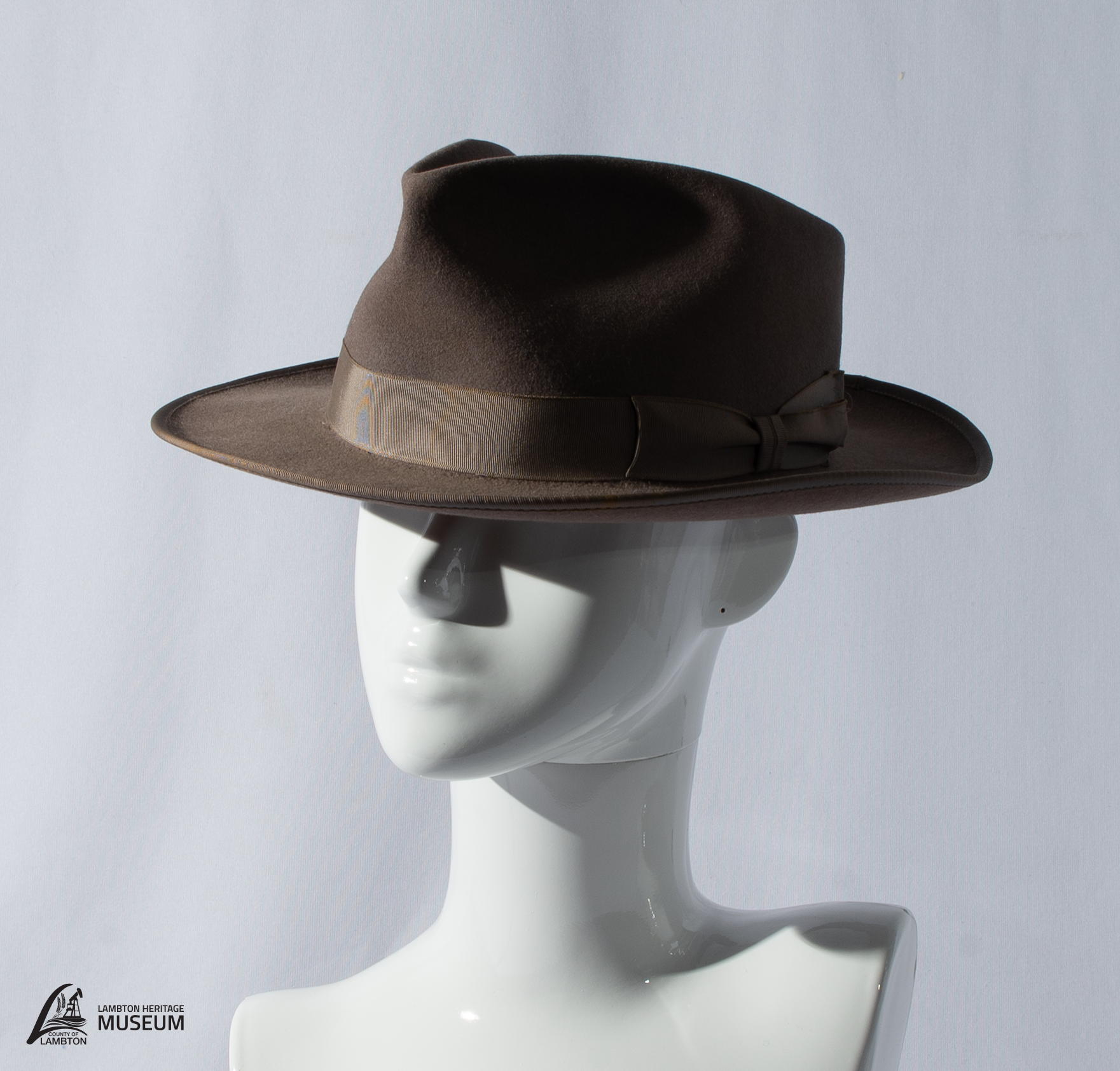
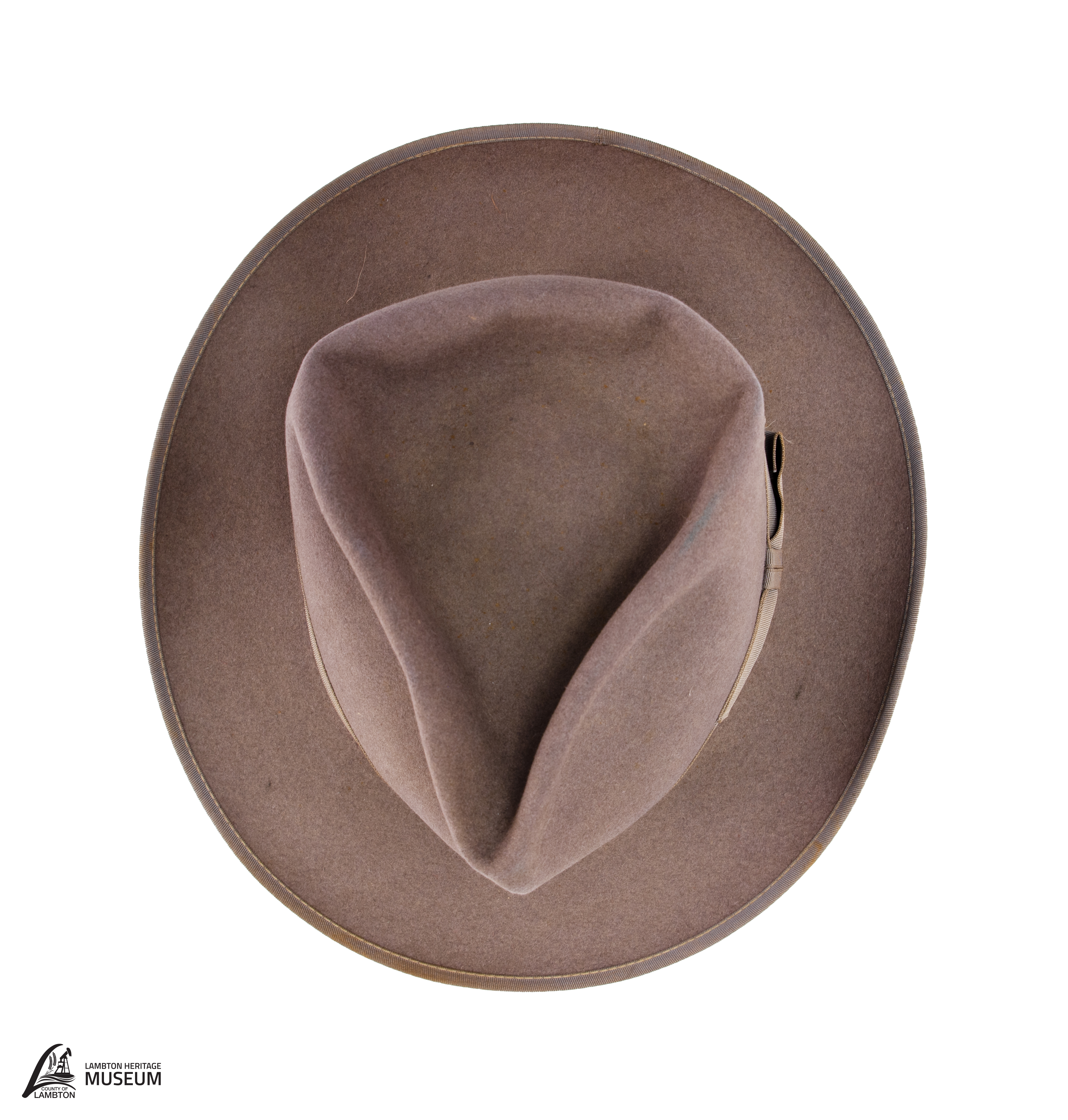
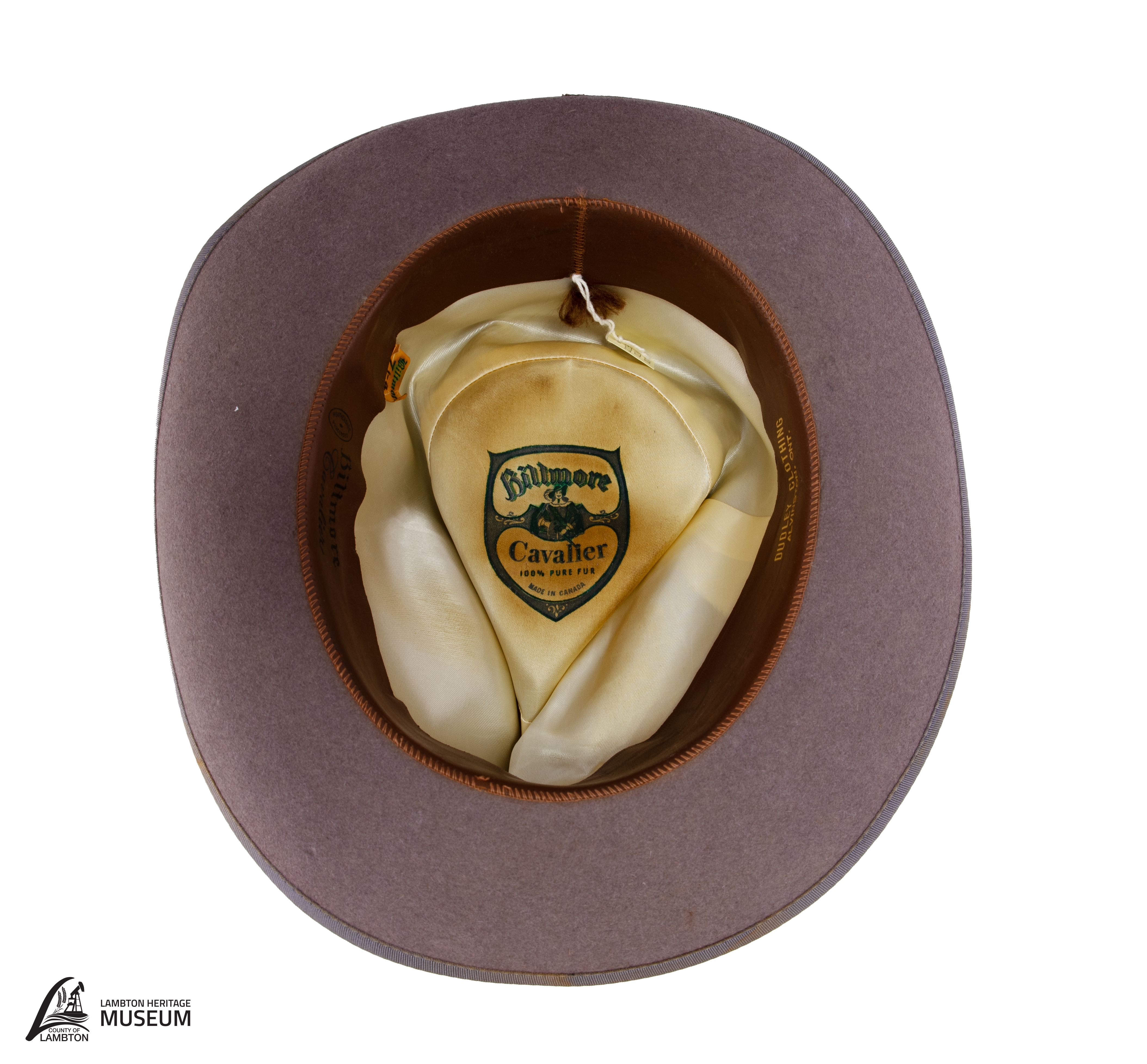
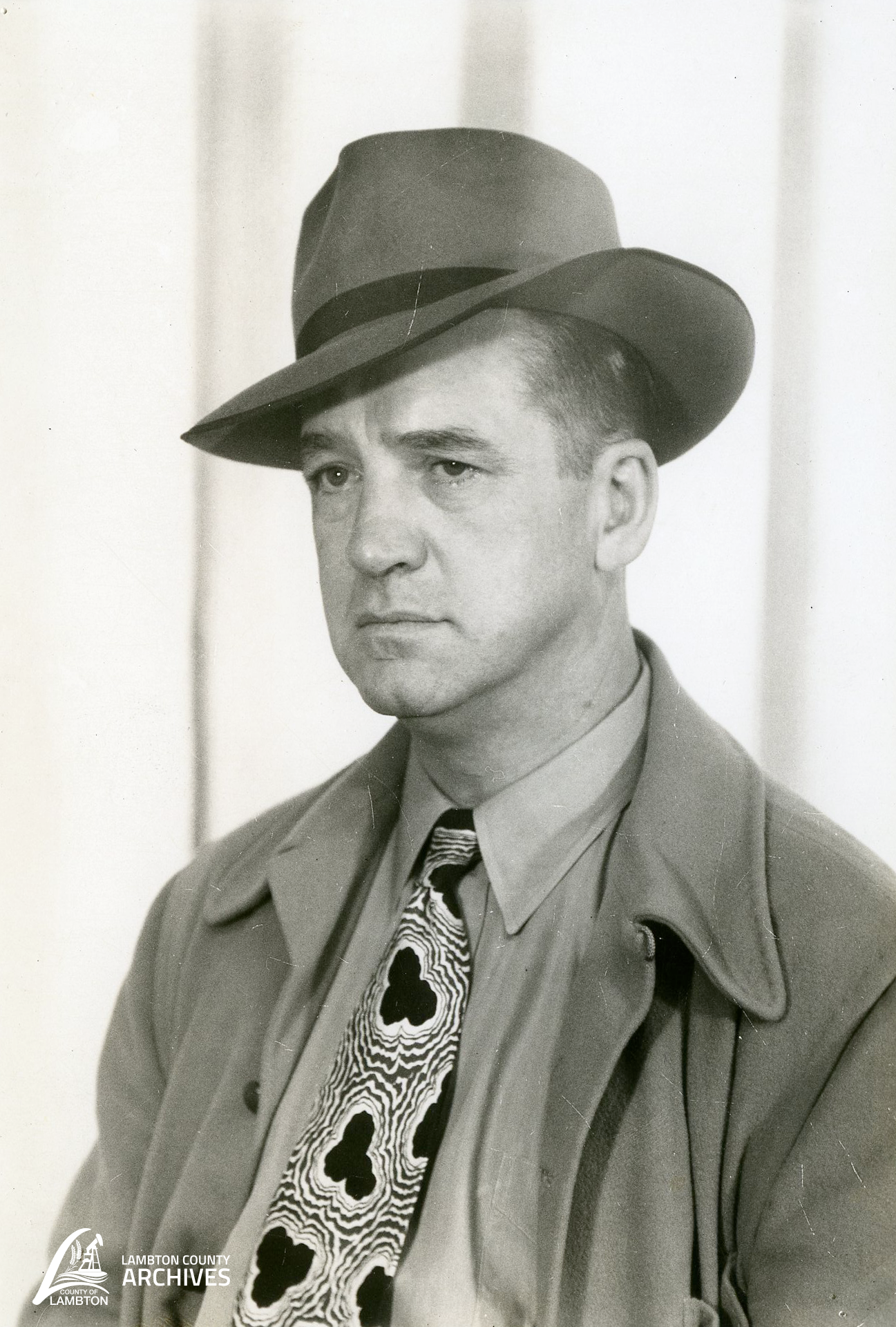
Fedoras came into fashion in 1882 with the debut of a play called Fédora. They were worn by men and women. Early fedoras had rolled brims like Homburgs. They evolved into a style characterized by soft felt, an indented crown, and a wide brim. The crown indent (viewed from above) is shaped like a diamond, a line, or a teardrop. The crown is usually 10-15cm high, pinched into a point at the front, and higher at the front than the back. The brim is 5-10cm wide and can be stiff enough to be snapped between up and down positions. A fabric or ribbon band is tied just above the brim.
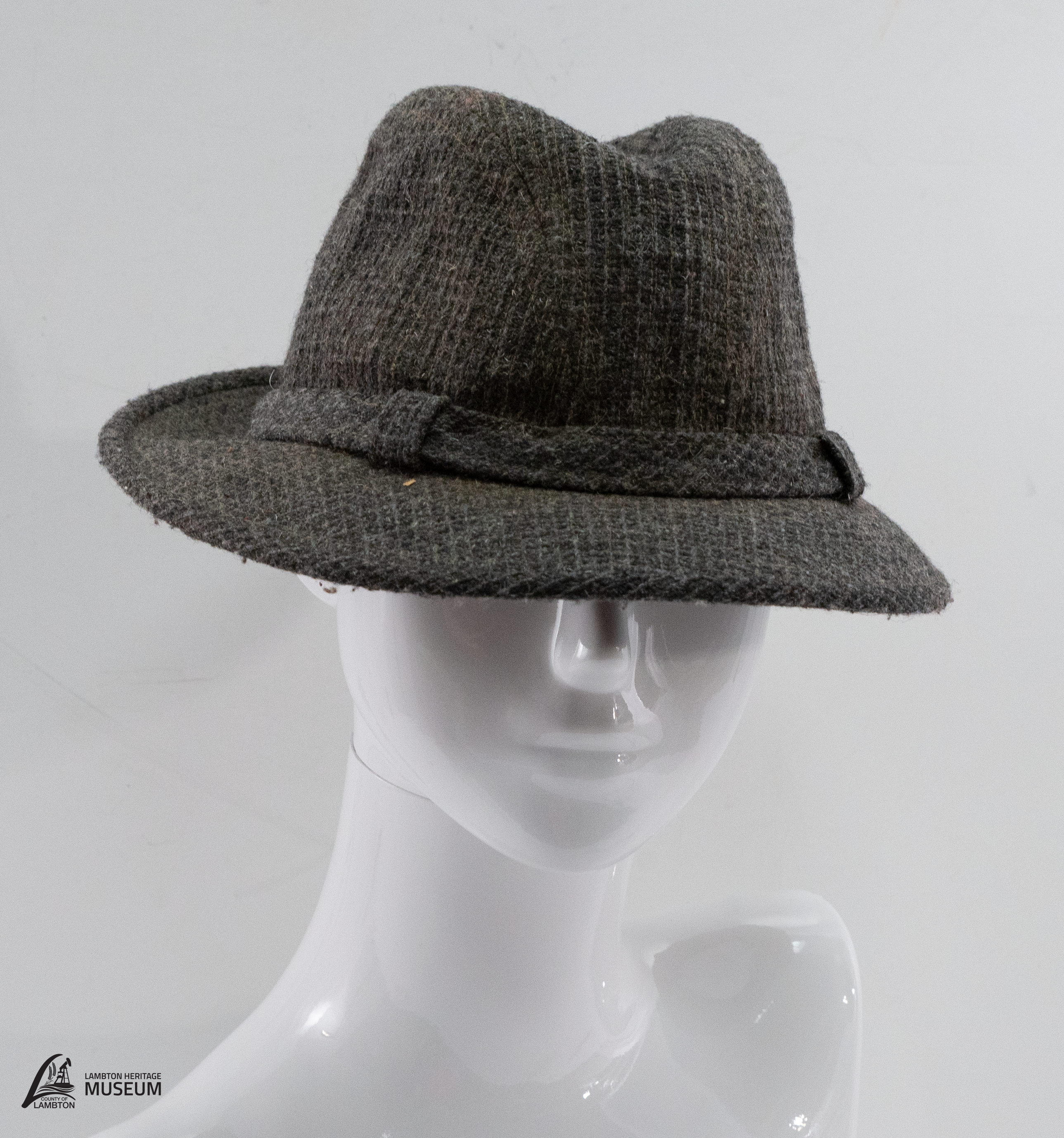
A trilby is a soft felt hat named after the 1894 novel Trilby by George du Maurier. Its brim is narrower than the brim of a fedora and is usually turned down at the front and up at the back. Panama hats are a similar shape but are made of soft straw from Ecuador.
Fedoras reached their peak in the 1940s. They were worn across social classes and could be dressed up or down depending on the occasion. If you could only afford one hat, a fedora would suit your needs. Notable fedora and trilby wearers were Al Capone, Humphrey Bogart, Sean Connery’s James Bond, and Frank Sinatra. The style surged again in the 1980s, thanks to Harrison Ford’s Indiana Jones.
Flat Caps
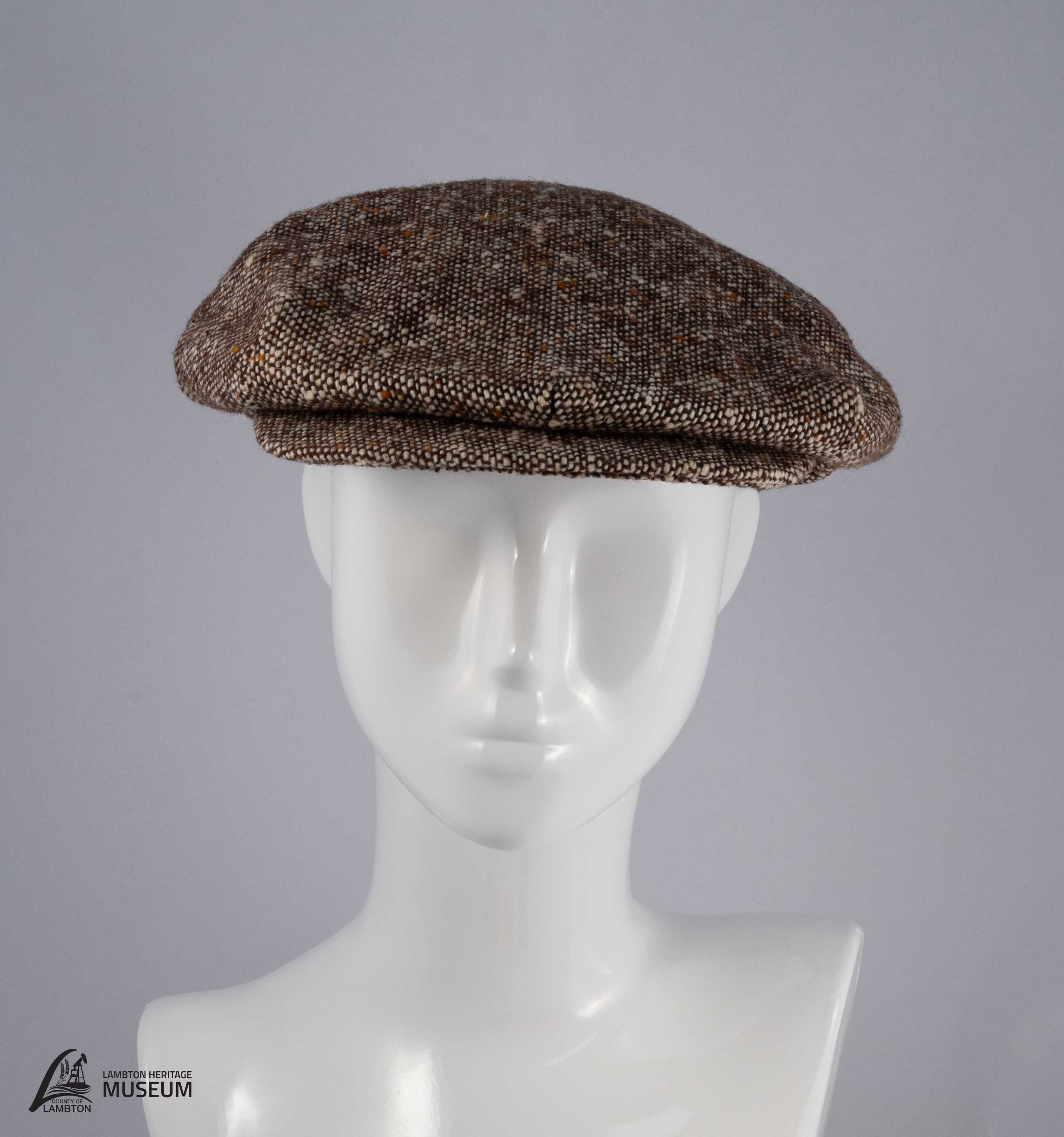
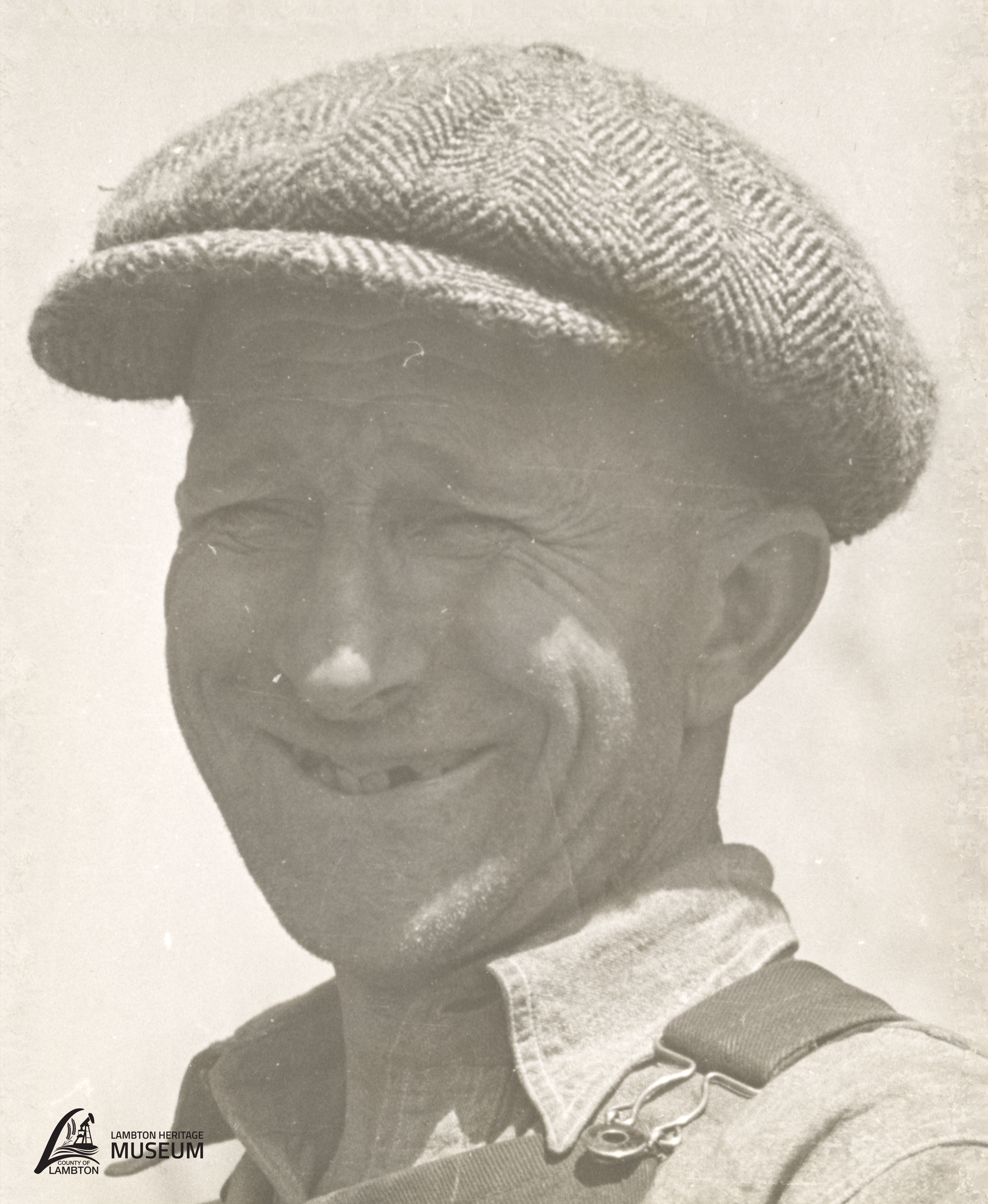
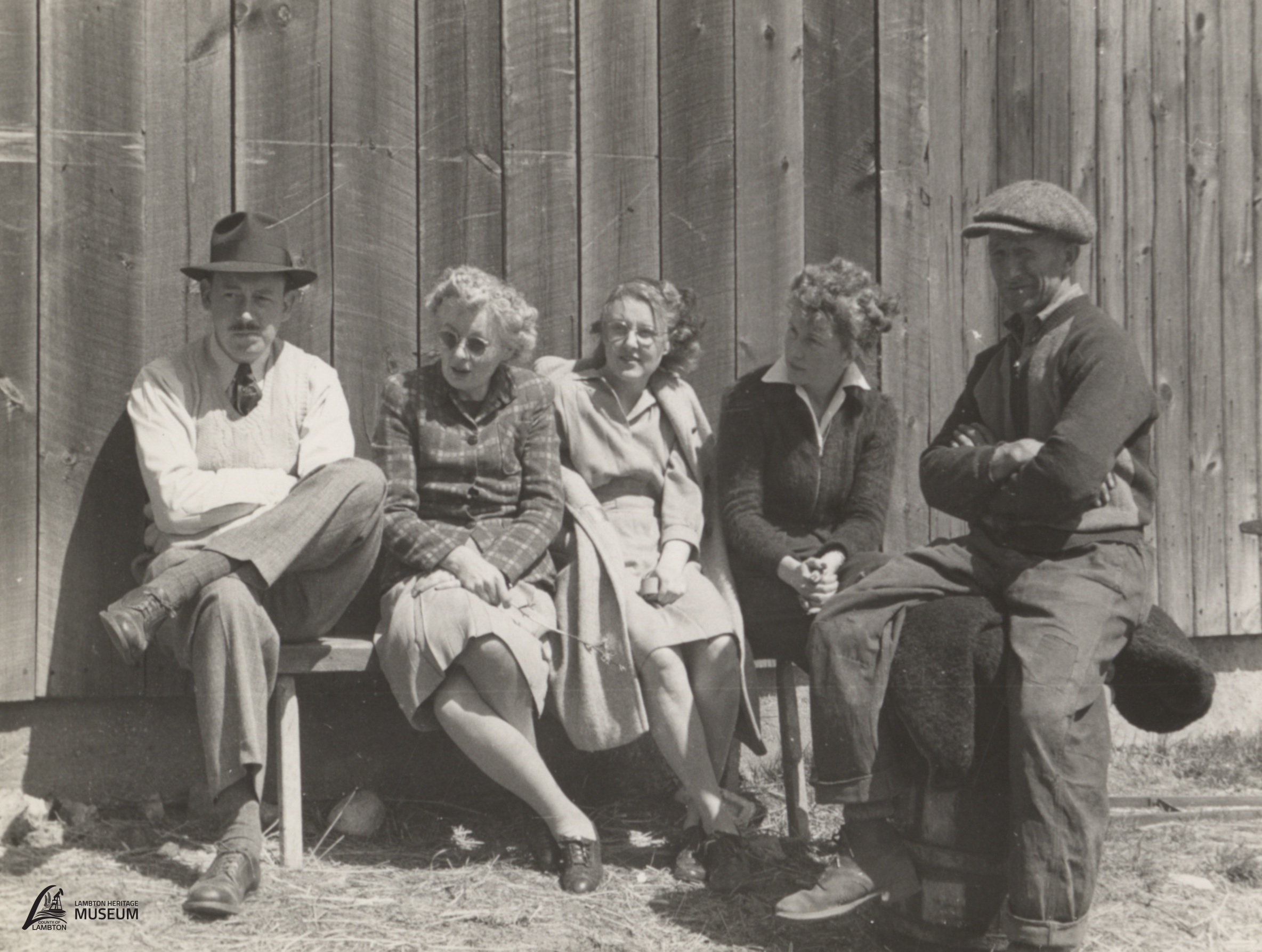
A flat cap is a soft, round, traditionally wool or tweed hat with a small stiff brim at the front. It evolved from simple headgear of the Middle Ages. In 1571, British Parliament made a law ordering all non-noblemen and boys over age six to cover their heads with wool caps on Sundays and holidays or pay a small fine. The purpose of the decree was to boost domestic wool sales. Flat caps were the cheapest and easiest coverings to make. The law was repealed in 1597, but the custom stuck. So did the association of caps with the working classes like labourers, farmers, shepherds, and fisherman. Flat caps are also a symbol of Scottish and Irish heritage.
In the late 1800s, wealthy people wore luxury flat caps for rural pastimes like riding, shooting, walking, and golf. Different types of caps were linked to specific professions and activities. Some examples are newsboy caps, driving caps, golf caps, and cabbie caps. Flat caps declined during the Depression. People opted to buy versatile fedoras instead. The drop off continued after the Second World War, although flat caps were popular with women in the 1970s. Today, casual hats like baseball caps and bucket hats have largely replaced the flat cap.
Join Our Mailing List
Stay up to date on latest news and programs.